

Shared Meals Will Save Us

Namaste to the 240 of you reading this from around the world! I’m so so grateful for this growing community. Thank you!
This issue is coming to you later than planned, because the past week in Nepal has been, quite simply, unprecedented: a Gen Z–led nationwide protest against government corruption, a violent uprising, the tragic killing of protesters, and the vandalism of public property by angry mobs. These events ultimately brought down the Prime Minister and dissolved parliament.
Now, with a new interim prime minister — chosen by young people on Discord (!) and social media platforms — there’s a sense of hope. What unfolded this past week is honestly very difficult to put in a few sentences so if you’d like to dive deeper, Himal Southasian and Kalam Weekly both have excellent accounts.
It’s been hard to think about anything else, and sending a newsletter felt almost inappropriate until now. But things are looking up. It feels like a new Nepal is being born, and there’s so much work ahead, but we’re ready.
And in that spirit, I’ve been thinking a lot about what keeps us connected, even in times of upheaval. My mind keeps circling back to food!
Shared Meals Will Save Us
Lately, I’ve realised just how much I love cooking for people and how much I’ve missed it. Living at home means my mom does most of the cooking (and honestly, her food tastes better than mine), so I naturally fall back into the role of being “the kid.” My own creative cooking usually comes alive when I have my own place and, if I’m being honest, when I’m feeling a little lonely. That’s when I find the energy to cook, invite people over, and share a meal. And every single time, it feels deeply healing.
Cooking for others makes me feel connected in a way nothing else does. Sitting at a table with family/friends, cooking together, eating together — that’s where I feel most grounded and alive. It’s where I’ve learned about the world, deepened friendships, and found ways to express myself.
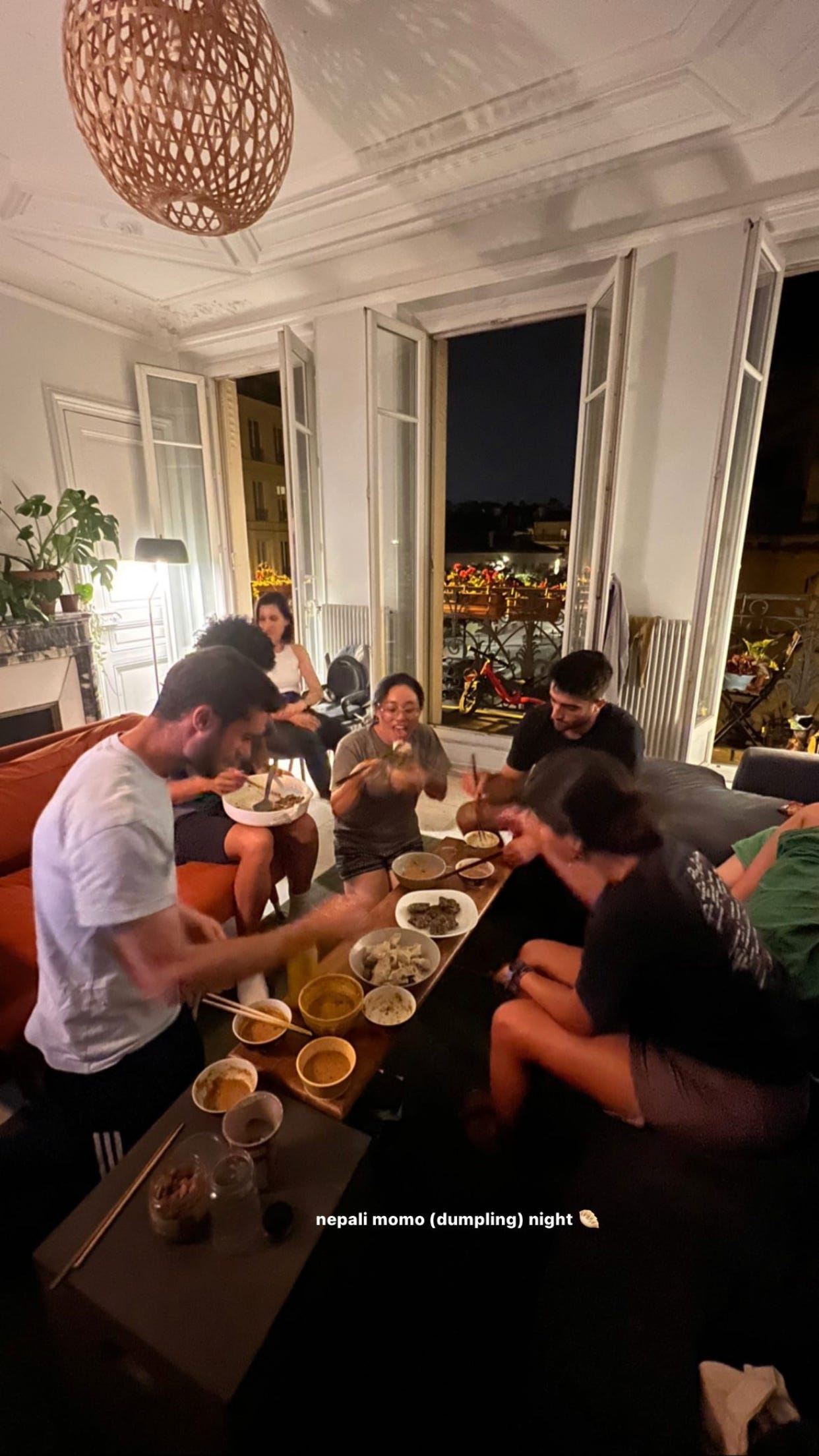
And yet, food often takes a backseat, quietly letting other things take credit for bringing us closer. I think it deserves to be front and center. After all, isn’t food at the heart of our social lives? Our shared food traditions connect communities, bring families together, and spark friendships that begin with a simple gesture: “Here, have some.”
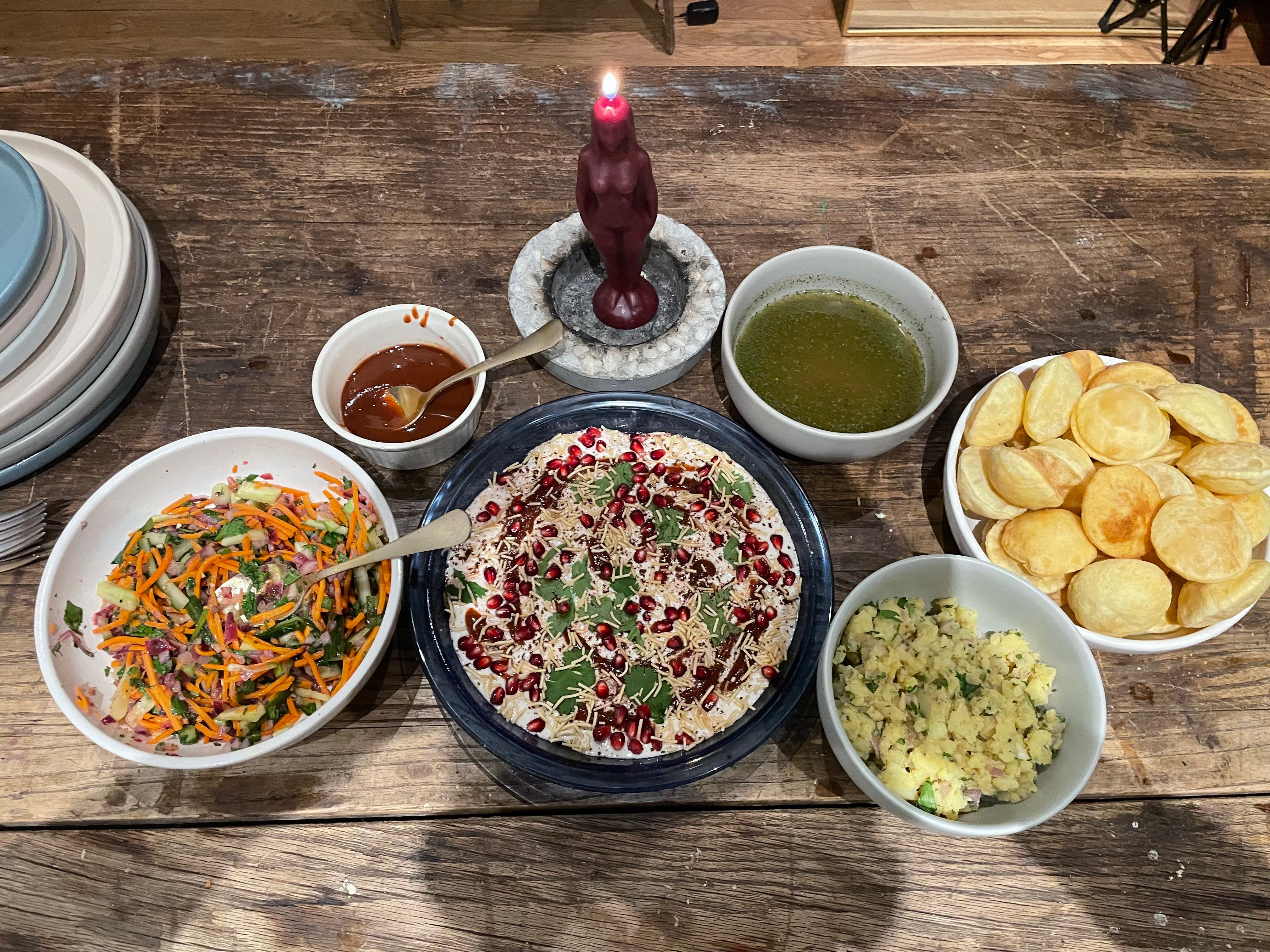
I truly believe that sharing meals might be one of the most powerful antidotes to the disconnection and loneliness so many of us feel today. So today’s newsletter is a little lighter on words. I’m sharing a few anecdotes from the table that have shaped how I see the world, and a recipe I’m proud of. A dish that has sparked so many beautiful moments with family and friends: the ultimate Nepali comfort food, momo.
Nepalis living in Nepal, I can hear what you are thinking right now! Your family version is the best. Ok ok, give this version a try and let me know how it compares to yours. Classic Nepali style — haha!
The tale of two tables
This memory still stings a little, but here it is. I was in the cafeteria of my liberal arts college in the U.S. when, without thinking, I reached over and grabbed a fry from a friend’s plate. She immediately pulled the plate closer and told me not to touch her food. I froze. It had never occurred to me that the food in front of someone could belong only to them.
In that moment, I felt embarrassed — even a little uncultured — and convinced I had done something wrong. As I spent more time in the U.S., I began to understand that this wasn’t about me. It was simply normal to have your own plate and not share.
Still, it was hard for me to accept at first because my own lunches growing up looked completely different. At school in Kathmandu, my friends and I would sit in a circle, place our tiffin boxes in the middle like an offering, and turn whatever we had brought from home into a communal feast. My mother’s fried rice mingled with someone else’s momo, another’s daal, another’s roti. I didn’t think of this as anything special at the time.
So, at that cafeteria table in college, what I really felt was the loss of something familiar and safe: an unspoken, shared understanding that we were all in this together. Looking back, I realize that someone from the U.S. eating with my group of friends in Nepal might have felt the exact same discomfort I did, that sudden feeling of being out of step with the room.
This isn’t about one way being better than the other. Sharing a meal can be instinctive or deliberate, collective or individual. What matters is that, across cultures, the act of eating together — whether by habit or by choice — remains one of the simplest, most beautiful ways we connect and feel part of something larger.

Recipe: The ultimate dish to have a dinner party with family/friends anywhere in the world— MOMO. Duh.
I know, I know, there are a million recipes out there, but trust me, this one hits different. It’s adapted for those of us living outside Nepal (because let’s be real— If you’re in Nepal, you probably already have your family’s version).
I especially recommend it if you’ve been meaning to invite friends or family over but aren’t sure what to make or if you’re just looking for a fun, shared activity in the kitchen. Honestly, I first wrote this recipe because it turned out surprisingly good, even though I wasn’t in Nepal at the time. Excuse me for bragging, but I was kind of impressed with myself.
Enjoy!
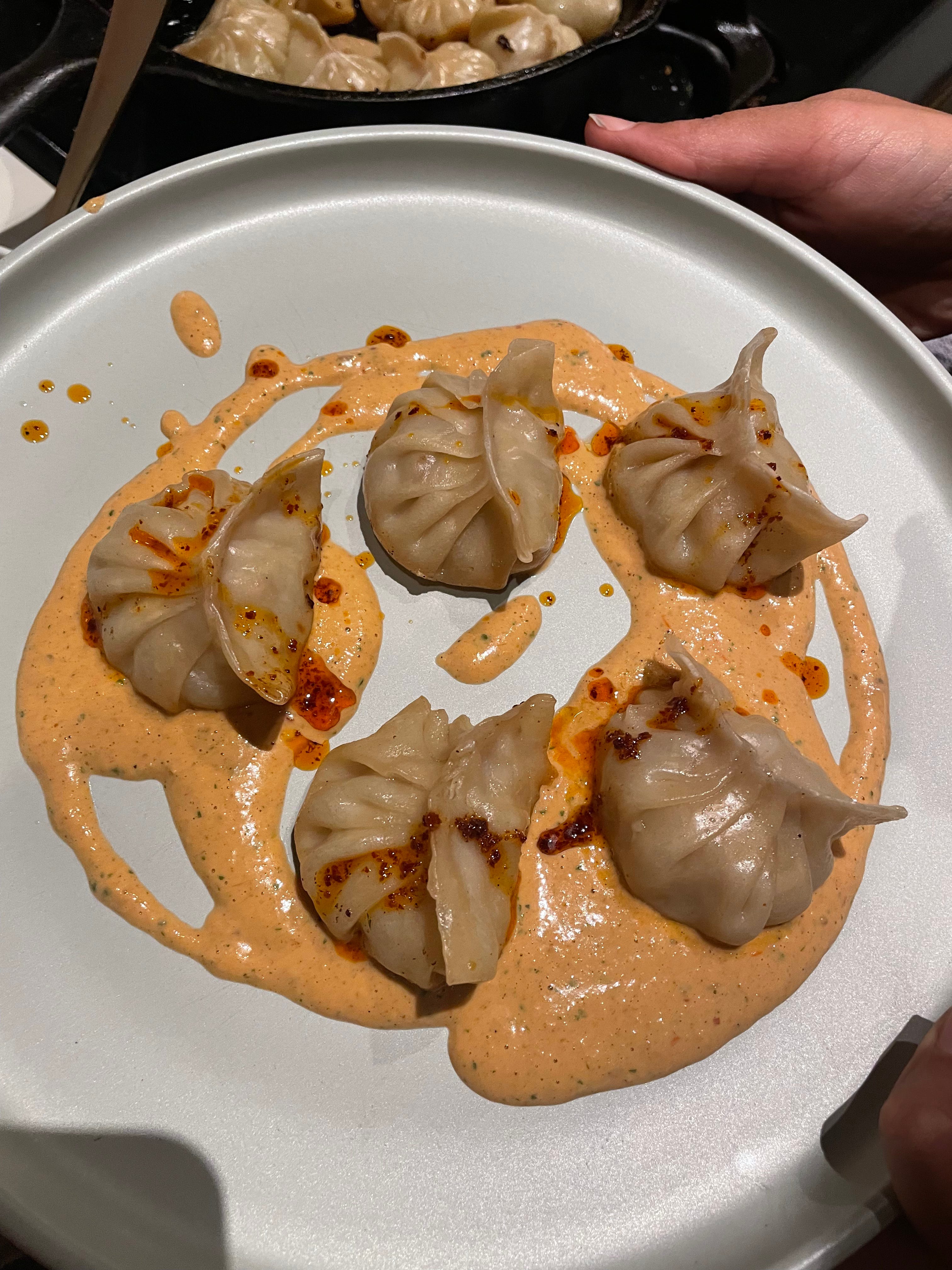
Ingredients
Serves 4-5, 10-12 momo each
For the filling:
1 lb ground meat of choice (I prefer pork)
4-5 scallions finely chopped (the tops too!)
1 small onion
2 handfuls spinach
3 cloves of garlic, minced
Good size chunk of ginger, minced
2 tbsp soy sauce
Salt and pepper to taste
1 tsp cumin powder
1 1/2 tsp coriander powder
1/4 tsp of clove powder, allspice and cinnamon powder each
1 tbsp toasted sesame oil
Optional: 1/4 tsp ground star anise
For the wrap:
4 cups all purpose flour
Approx. 2 tbsp olive or vegetable oil
1 cup water (add more as needed)
For the soup-ey sauce:
1 tbsp of chopped ginger
2 medium cloves of garlic, chopped
Cilantro, about 8-10 sprigs
2 tbsp sesame seeds (I toast them myself but you can buy the toasted kind)
1 tbsp peanut butter (or roasted peanuts)
1 1/2 tahini (or sub with toasted sesame seeds- I use both)
Cayenne pepper (to taste)
1 large tomato or 2 small tomatoes
1 large lemon juiced
2 tsp curry powder
Salt and pepper, to taste
Substitution suggestions:
Tahini: Toasted sesame seeds, ground
Peanut butter: Roasted peanuts, ground
Recipe
Wrap: Start with the dough since it needs to sit for 30 minutes. In a large bowl, add 1/4 water incrementally to the flour as you knead the dough. Add about 1 tb of vegetable oil as well. Knead until all the flour sticks and there is no residue on your fingers or on the bowl. Cover the bowl and let sit at room temperature for 30 minutes.
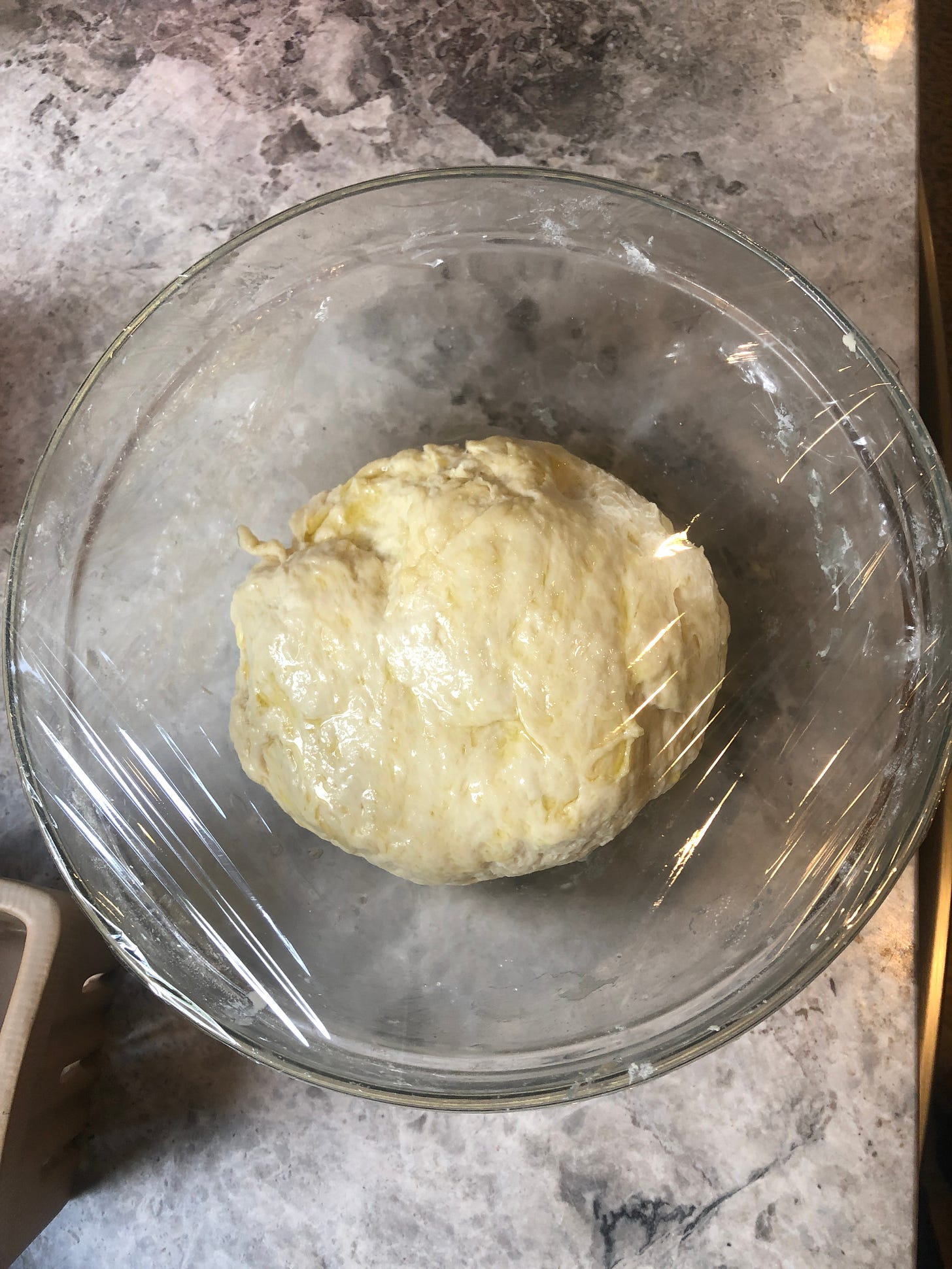
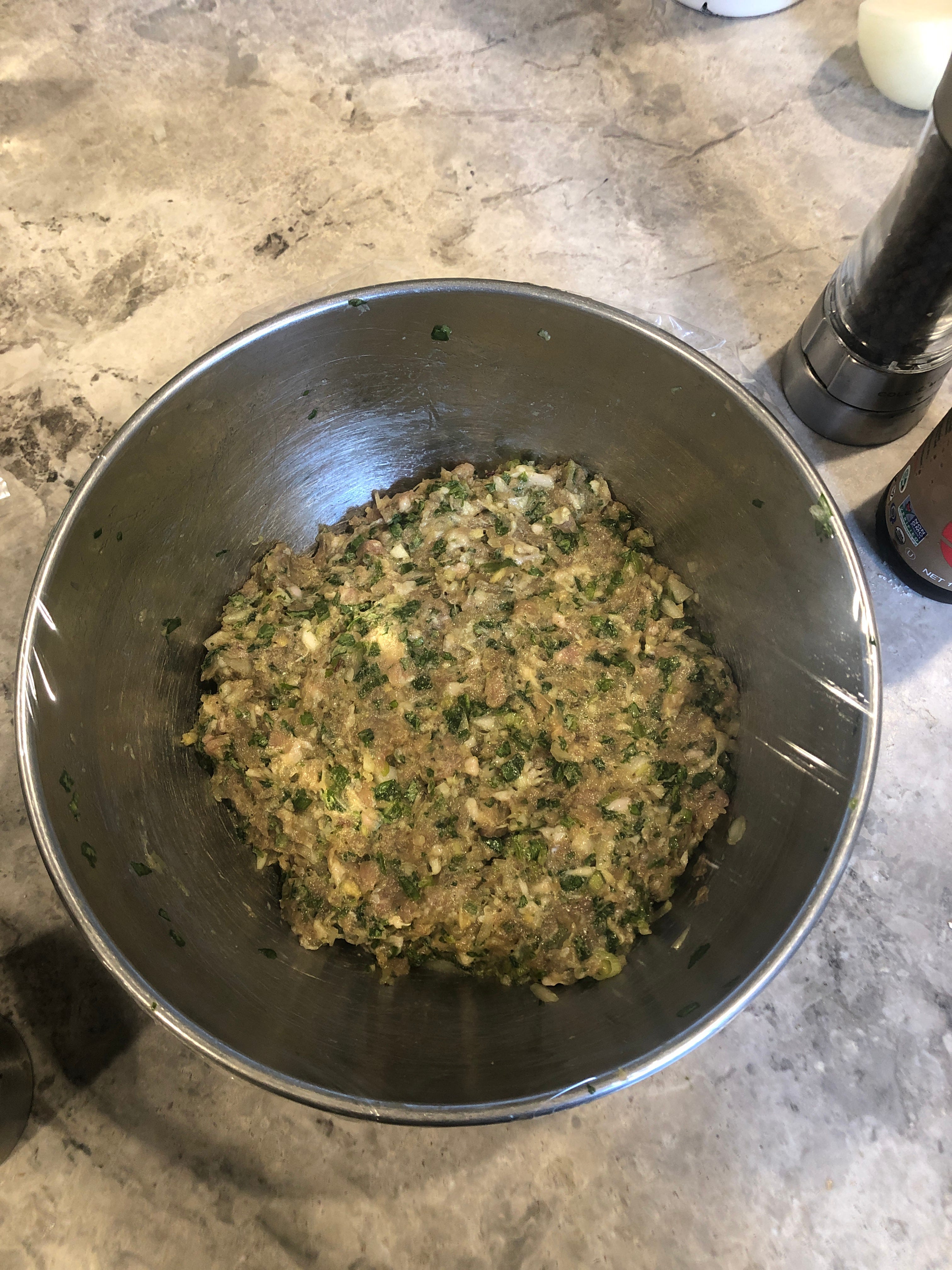
The kneaded dough should look smooth. Keep kneading to achieve this. If too watery, add flour. You can't go wrong with this! Filling: While the dough is resting, start the filling in a large bowl. Add the ground pork and the rest of the ingredients and spices and combine. I find this easier to do with your hands- mix well. Set aside.
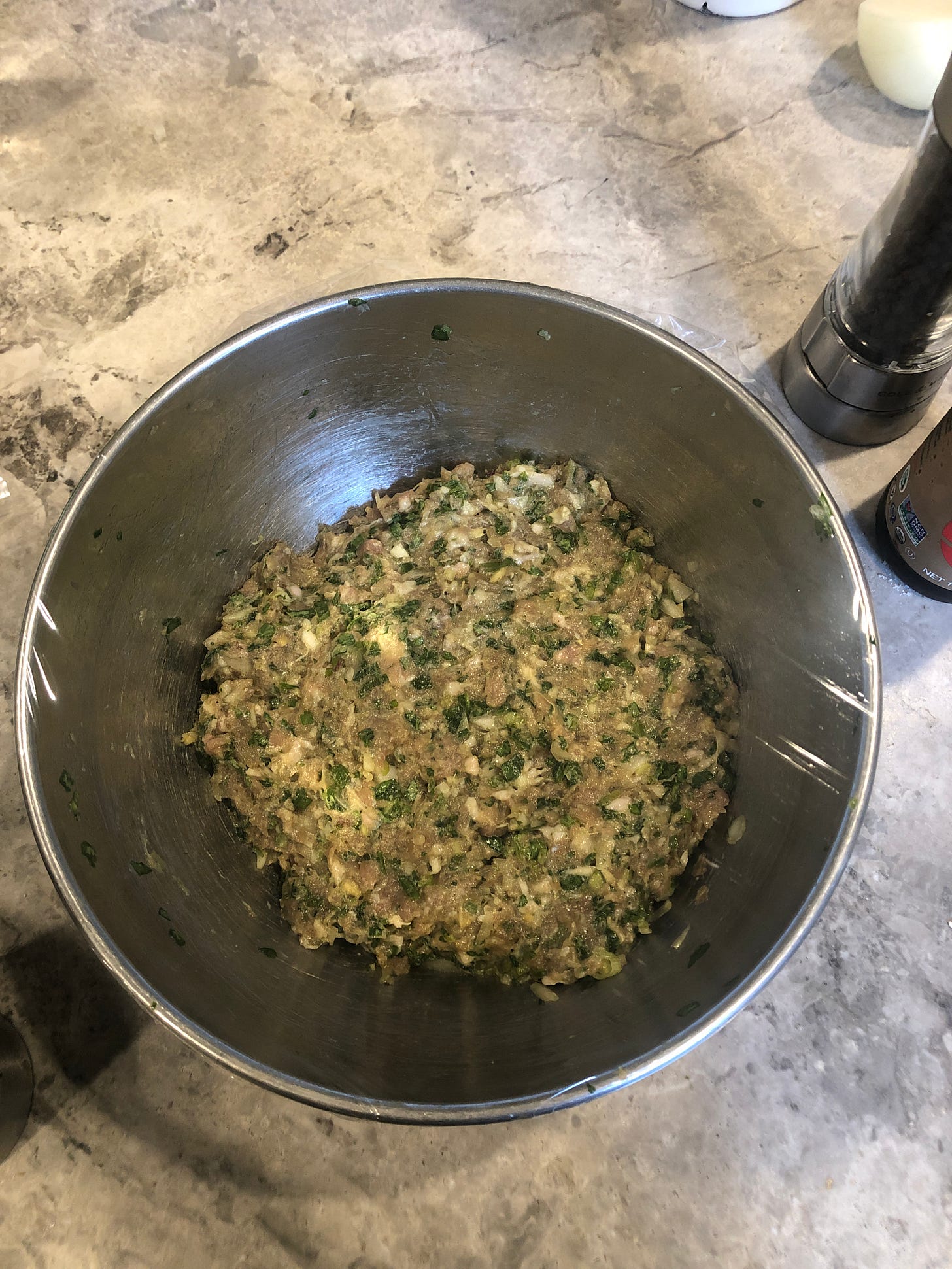
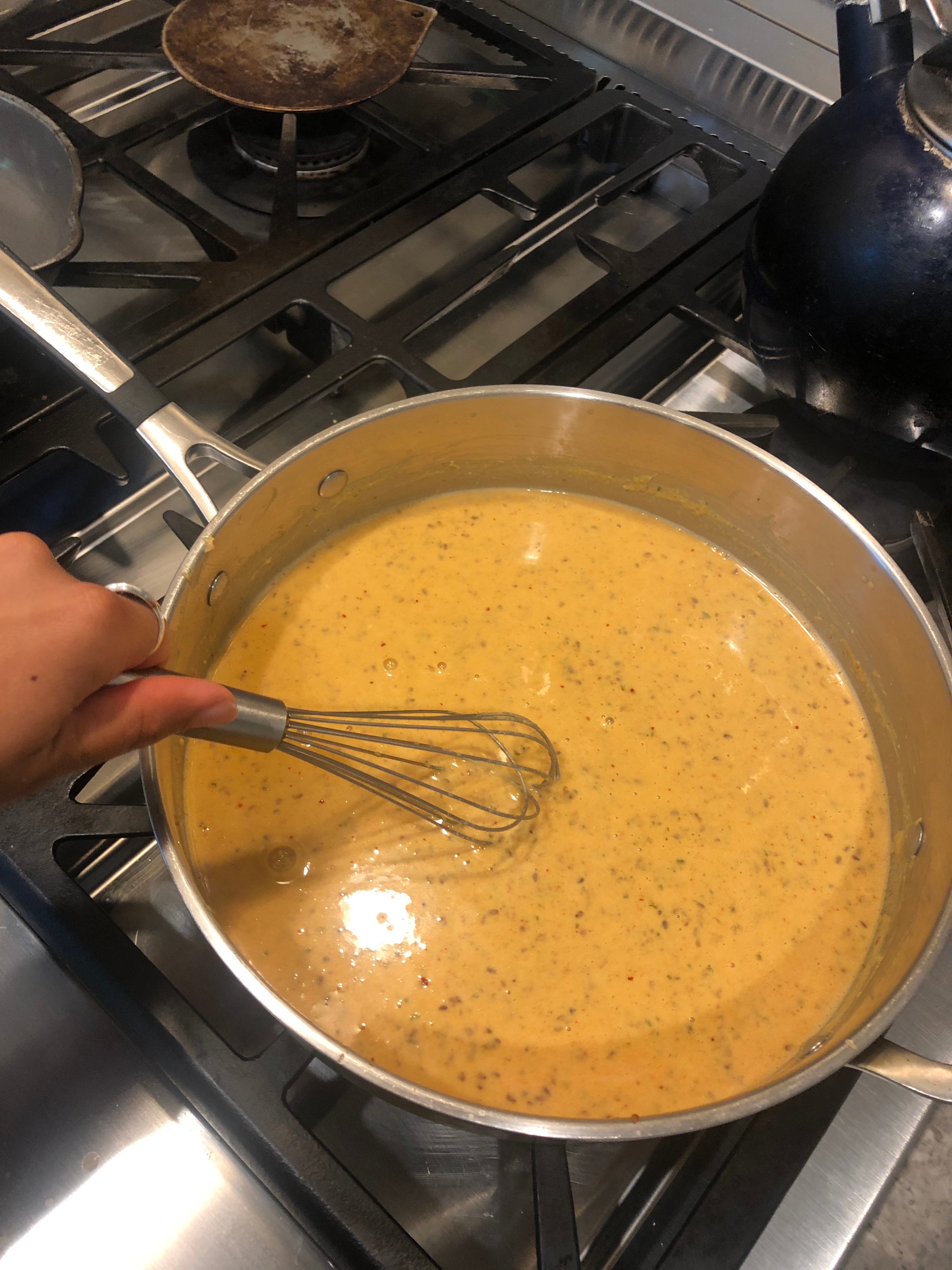
Just to give you an idea of what the filling looks like after mixing. I start early, and let marinate for an hour, but not necessary! Sauce: For the sauce, toast some sesame seeds. If you have raw sesame seeds, just heat in a small pan, and roast until slightly brown. Put garlic, ginger, lemon, cilantro, toasted sesame seeds and tomatoes in a grinder until you achieve a creamy consistency. It's ok to have small chunks of tomatoes. In a small bowl, mix olive oil, peanut butter and tahini. Combine these in a saucepan with a whisk adding water incrementally. The tahini mix adds to the creaminess of the sauce. Add curry powder, salt, pepper and cayenne and let simmer for 5 minutes.
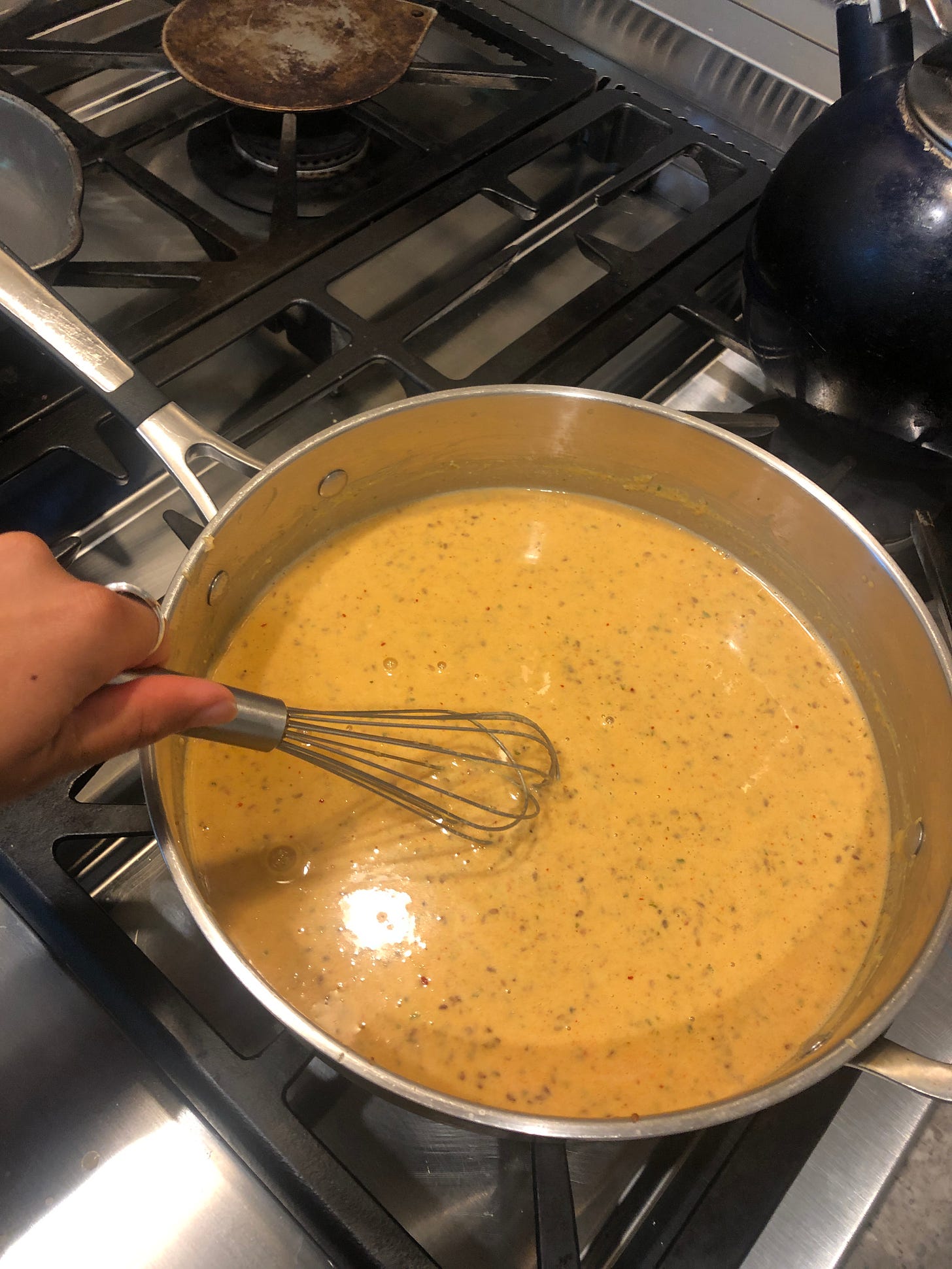
Whisk the sauce on and off to mix the peanut butter and tahini well, to avoid clumping. Making the momo: Make 1/2 inch balls with the dough. Make 10 at a time and cover so the dough doesn't dry up. Place parchment paper on the counter and sprinkle flour to prevent sticking. Roll the dough with a rolling pin into 3 inch diameter circles (or make larger for bigger momos). Put a dollop of filling in the middle and wrap the momo. There are a lot of videos on youtube on how to wrap dumplings, but you can be creative. They taste great regardless! Something to keep in mind is to not have the dough clumpy on top. Pinch and spread to avoid this- the dough is super pliable.
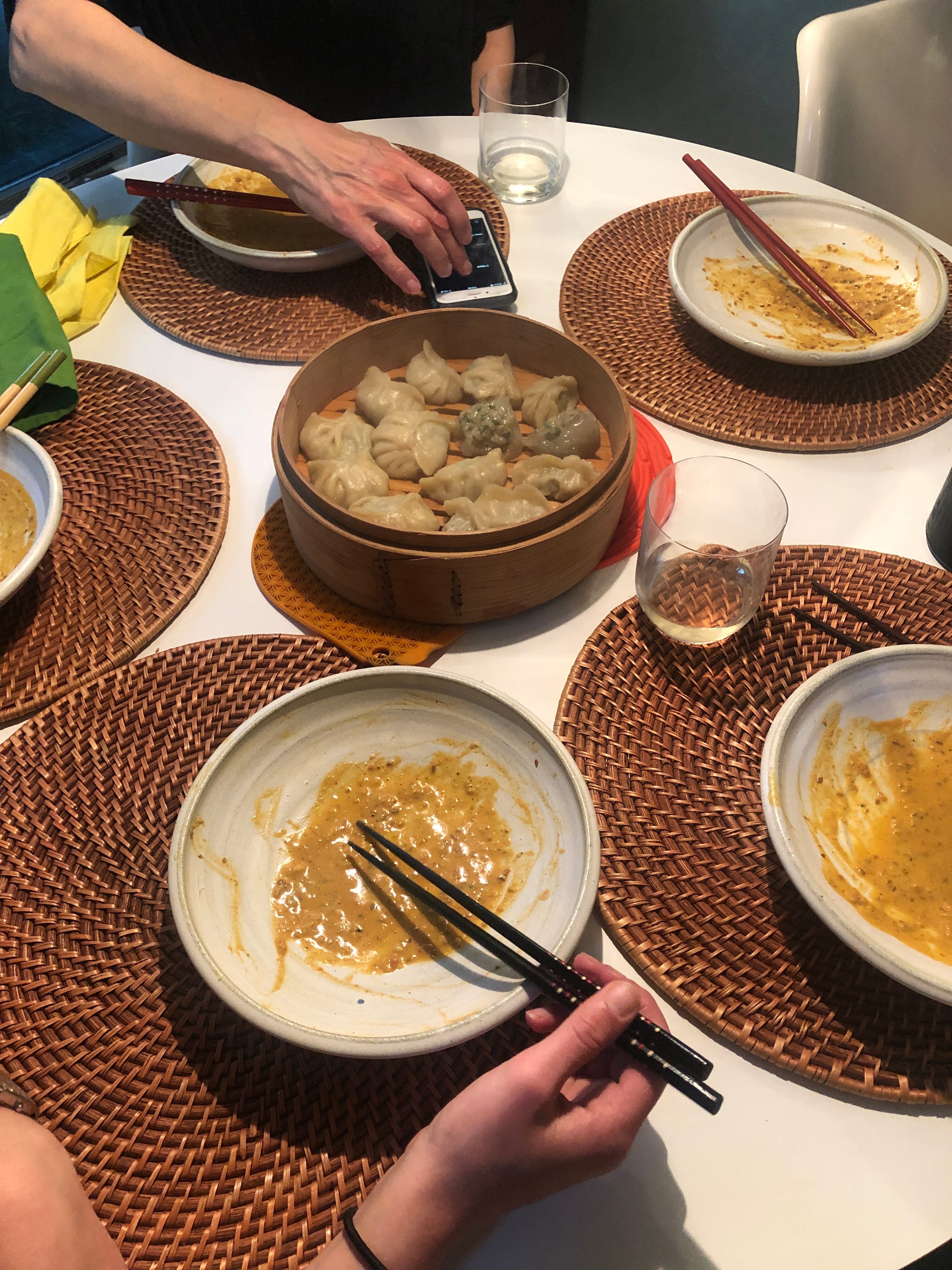
After all the momo have been wrapped, boil water in a pot or a saucepan and use the steamer of your choice to steam the dumplings for about 10-15 minutes. If you are using a layered steamer, give the top layer a few extra minutes. See picture below to see how the momo can be arranged. Make sure to leave at least 1/2 inch space between each momo, since the dough tends to stick.
Serve these hot right off the steamer with a generous amount of sauce. Eat the hot ones while the next batch cook. My family has always cooked momos in batches. It slows you down, and you get a few courses out of them.
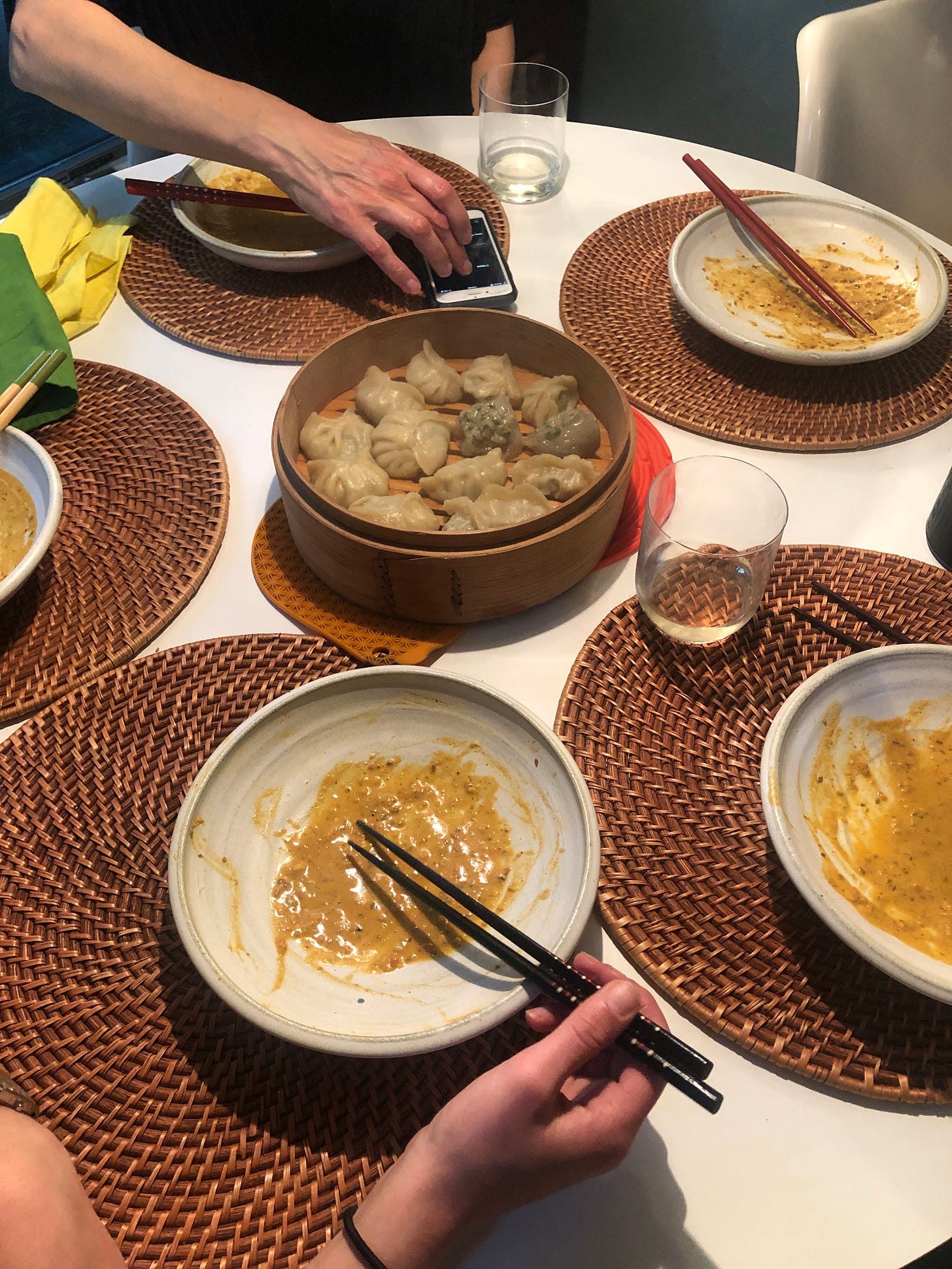
Third and final round- the odd ones out are made with rice wraps- a great quick and gluten free option! Tip: If you have leftover momo, you can turn them into 'kothey'. Kothey momos have a cripsy brown bottom. Place the momos on a pan with some oil and let brown. If they stick to the pan, add a little splash of water and cover.
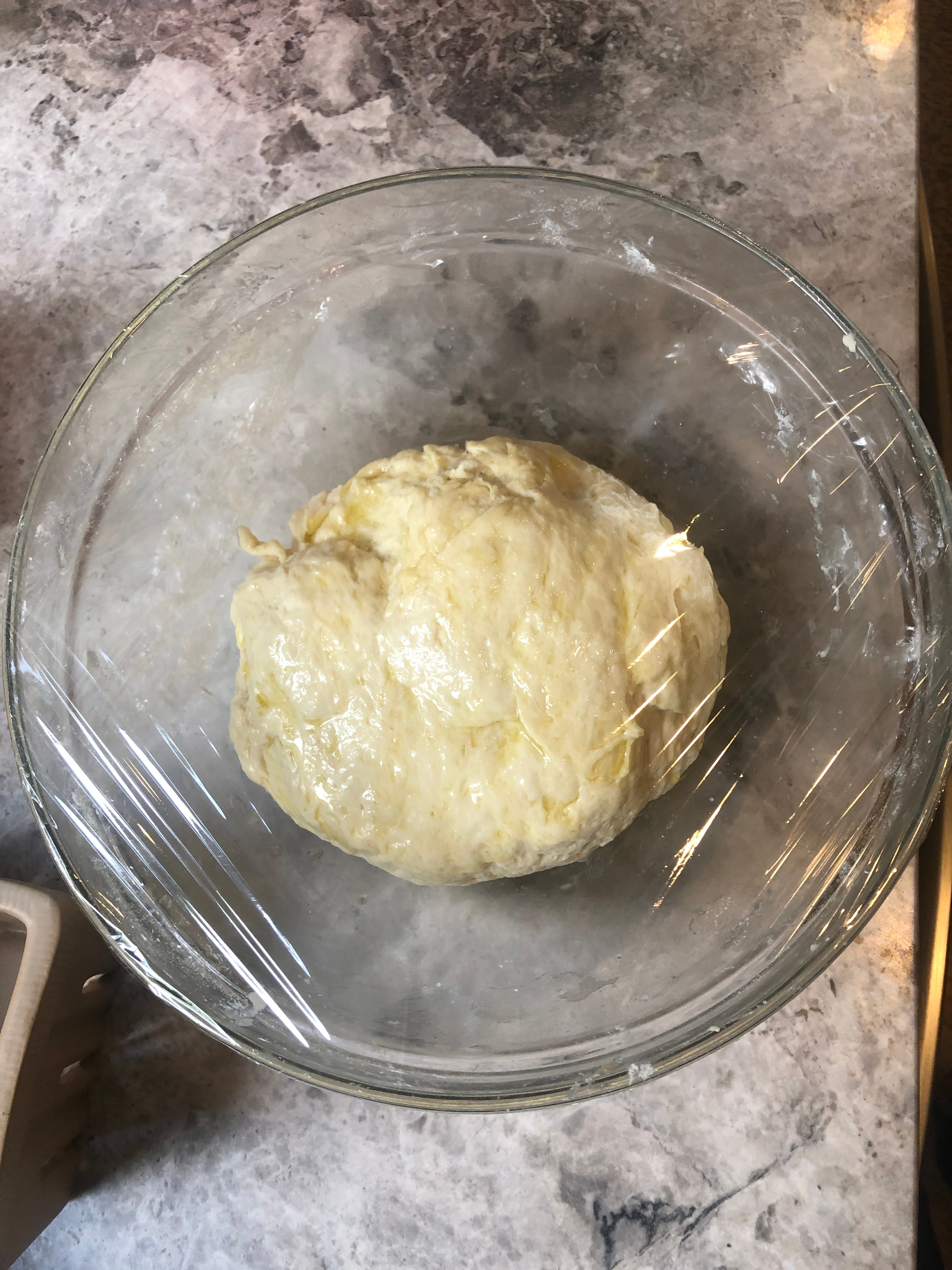
HAPPY MOMO-MAKING!
Love this post and your amazing momos! Thank you for the GF hack :)